
How New Rate Hikes Affect the Real Estate Market
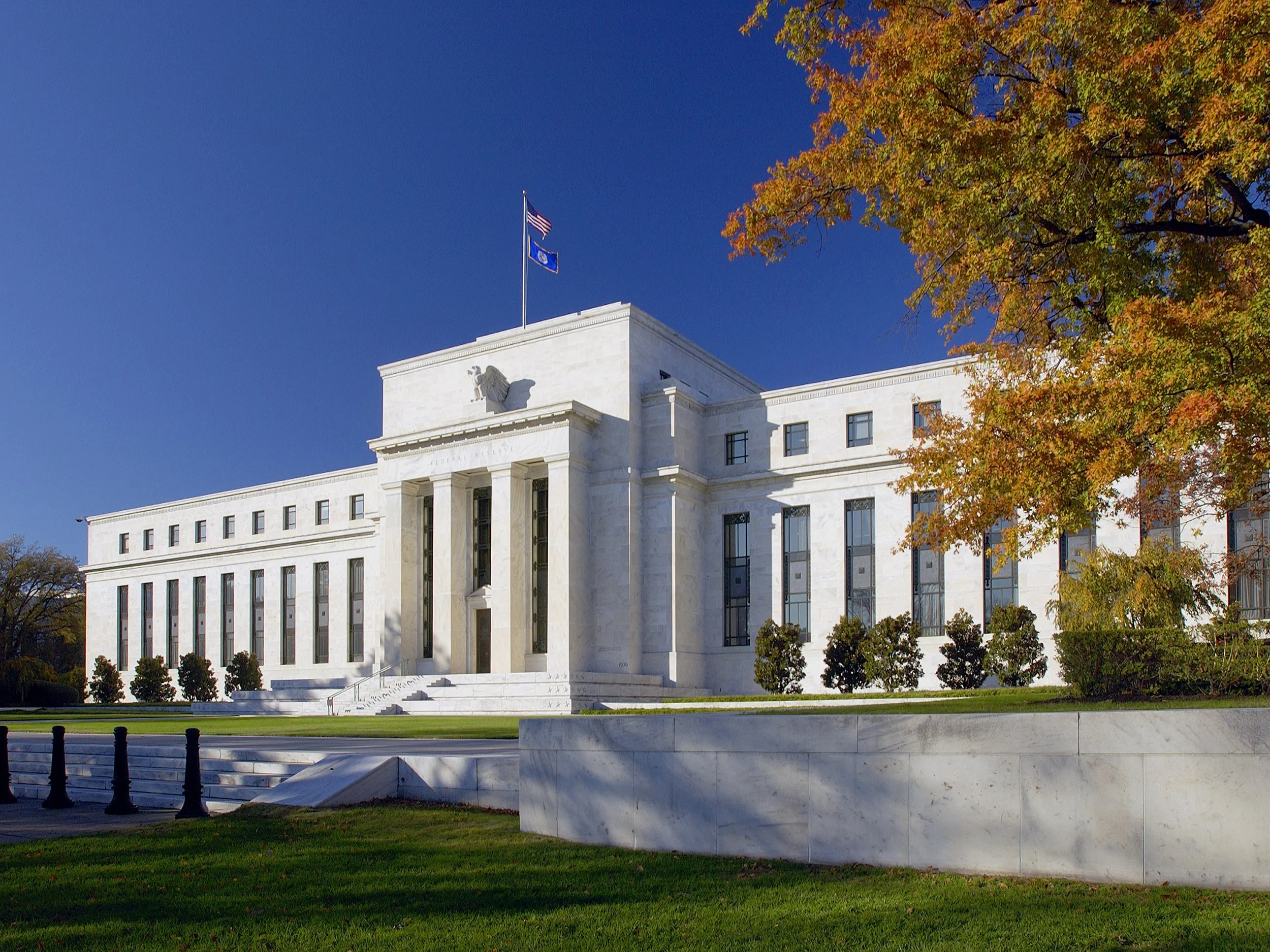
For the first time since 2023, the Federal Reserve raised the overnight rate. The board voted 12-0 to increase rates by 25 basis points, bringing the target range to 3.75%-4.00%. Federal Reserve Chair Kevin Warsh cited current inflation data, with CPI at 3.4% and core CPI at 2.4%, as the reason for the decision. Anyone thinking about buying or selling a property is likely wondering how this affects them. That's why I'm here, to address your concerns and clear up a few misconceptions.
Fed Rates ≠ Mortgage Rates
One of the biggest misconceptions is that these rates will directly impact your home mortgage. The Federal Reserve rate is what banks charge each other for overnight loans, and it doesn't directly set mortgage rates. Mortgage rates track much more closely with the 10-year Treasury yield, which is driven by investor confidence. The idea that overnight rates and mortgage rates are one and the same comes from the fact that they tend to move in the same direction over time. What these hikes will impact are home equity lines of credit (HELOCs), adjustable-rate mortgages (ARMs), and commercial loans (such as commercial real estate loans or construction loans), since all three are tied directly to the Fed funds rate.
How it Will Impact Real Estate
How this affects the residential real estate market is that banks will start baking the new rates into their mortgage packages for new loans. For buyers and sellers, most of the impact will be psychological, driven by the confusion between overnight rates and mortgage rates. Buyers are more likely to hold off on a deal while waiting for favorable terms, resulting in a smaller buyer pool. This will lead sellers to either pull their listing off the market, delay bringing it to market, or watch it sit longer than expected.
When it comes to the Bay Area market, this will have minimal impact. While the economy is sluggish, the market remains strong, to the point that supply can't keep up with demand. Inventory is still limited, and new housing stock isn't being built fast enough to meet demand. New apartments are being built at record numbers, but that doesn't ease demand for homes to buy, keeping home prices elevated. With new jobs being created thanks to the AI boom, don't expect the real estate market to cool down anytime soon.
Don't let misconceptions and a lack of insight hold you back. Reach out to me to find out if this is a good time to buy or sell, and what the best course of action is for you. The market is complex and ever-changing, but you don't need to navigate it alone.